

taking the first step in exploring the world of music. Washington, DC, has many options available, ranging from When you put “piano lessons near me” into a search engine, whether it’s for yourself, your child, or an adult, you’re looking for private instruction and group lessons to specialized music schools. With so many options available, it can seem overwhelming, but it doesn’t have to be.
This guide will walk you through everything you need to know about piano lessons in Washington, DC, from prices to types of lessons to teaching styles and more. Whether you’re a complete beginner or looking to hone your craft, this article will help you make an informed decision..
Why Piano Lessons Continue to Be So Popular
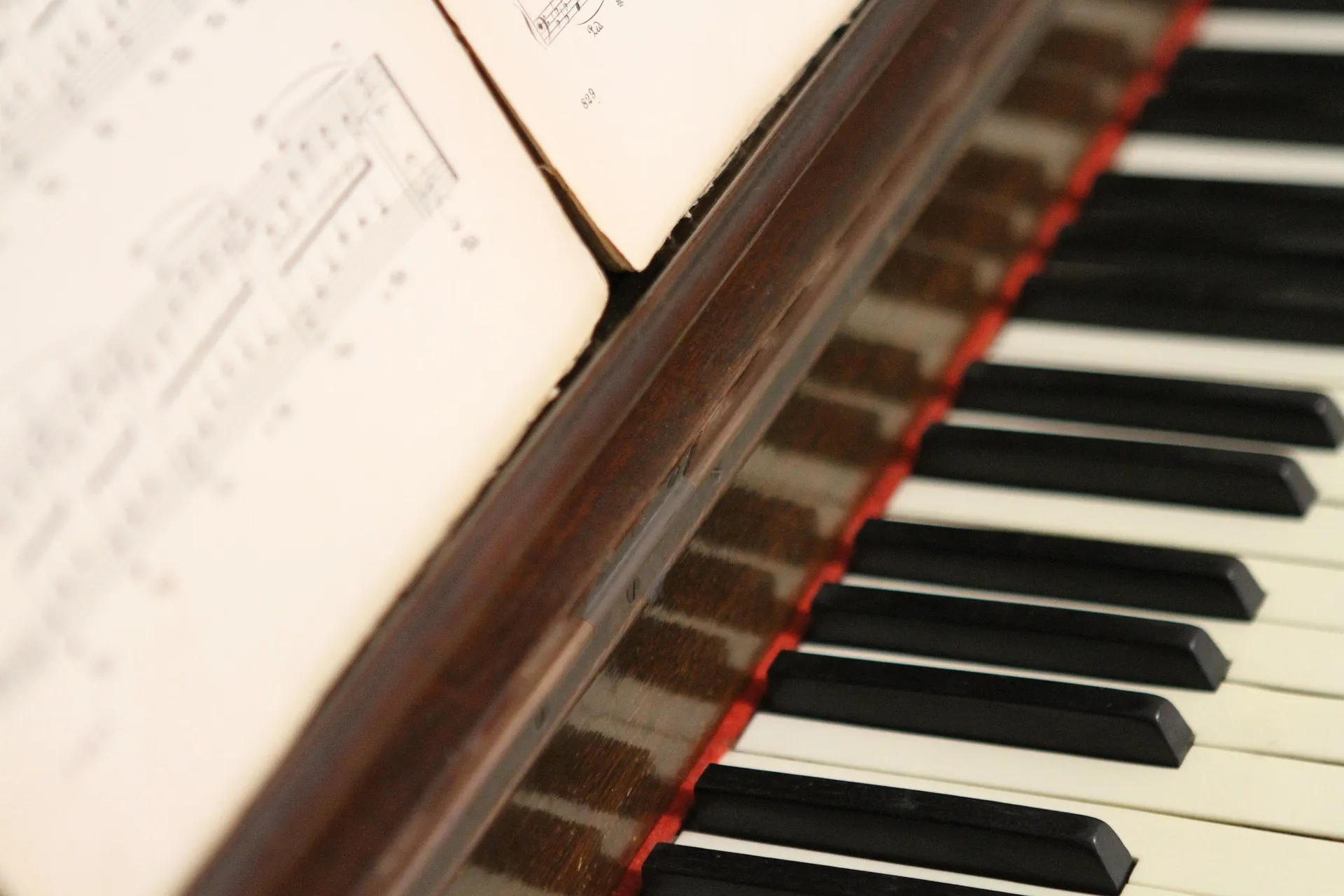
Piano is one of the most versatile and rewarding instruments to learn. Whether it is classical, jazz, pop, or blues, piano is a versatile instrument that has a lot to offer. For kids, it is a great way to develop discipline and patience. For adults, it is a great way to relieve stress and be creative.
One of the most attractive things about piano is its accessibility. With piano, you can learn songs quickly and also explore complex musical concepts. Whether you are learning piano for fun or for a specific purpose, piano lessons are an enriching experience that can last a lifetime.
Finding Piano Lessons Near Me – What to Look For
When you search for “piano lessons near me” on Google, it’s not just about location. There are some important considerations to keep in mind:
- Format of Lessons: Private or group lessons?
- Teaching Style: Do you need a more formal conservatory teaching style or a fun, relaxed atmosphere?
- Price: What can you expect to pay?
- Location: Are you interested in finding piano lessons in particular areas of DC (such as Georgetown, Capitol Hill, NW DC)?
Schedule: Do you need flexible scheduling?
Types of Piano Lessons in Washington, DC
One of the most personalized forms of learning is often private lessons. Private lessons are usually one on one, which enables the teacher to provide feedback and tailor lessons according to the needs of the student. Private lessons are the best for beginners as well as advanced learners who want to perfect their technique.
Advantages:
- Fully tailored lessons
- Direct feedback and improvement
- Flexibility in scheduling
2. Group Piano Lessons
Group piano lessons is best suited for students who learn well in a social setting. Group instruction is great for young beginners and adult students who learn well in a collaborative, informal setting. It is also more cost-effective.
Advantages:
- Lower cost per lesson
- Social engagement and collaboration
- Great for beginners
3. In-Home Piano Lessons
The advantage In-home lessons is the convenience of learning in your own environment. This can be a huge benefit for families with young children or busy adults who may have less time to travel to a tutoring location.
Advantages:
- No commute, ideal for busy schedules
- Comfort of learning in your own home
- Convenient for families with multiple students
4. Online Piano Lessons
However, with the increasing popularity of online learning platforms, many piano teachers have started offering online piano lessons. This is a great opportunity for students who may not have access to physical piano lessons or those who would rather learn from the comfort of their homes.
Advantages:
- Learn from anywhere
- Flexible scheduling
- Great for busy professionals
Popular Piano Schools in Washington, DC
Quartertonez Music – DC Campus
Quartertonez Music is one of the most renowned music schools in the Washington DC area. They have a comprehensive piano program that caters to all age groups and levels. Their Suzuki piano program for young children is quite popular, where children can start observing and participating from 3.5 years of age.
Locations: 4125 Fessenden St. NW Washington, DC 20016
Key Features:
- Suzuki Method for young learners
- One-on-one lessons
- Group classes for different skill levels
- Recitals and performance opportunities
Washington Conservatory of Music
For students looking for a more traditional music school experience, the Washington Conservatory of Music offers private piano lessons. The school is recognized for its personalized curriculum and performance-based programs.
Key Features:
- Individualized lesson plans
- Focus on performance and competition
- Opportunities for student recitals
DC Music lessons
Located in 4125 Fessenden St. NW Washington, DC 20016 Quartertonez Music offers piano lessons to students of all ages. Their “Music Class for Kids” is an excellent introduction to the piano for children ages 4.5 to 5.5. Middle Quartertonez Music also offers private lessons and group classes.
Key Features:
- Music classes for young children
- Group and private lessons
- A family-friendly environment
Cost of Piano Lessons in Washington, DC
The price of piano lessons can differ significantly depending on the length of the lessons, the teacher’s qualifications, and the type of lessons. Here is a general idea of what you can expect to pay for piano lessons in the DC area.
| Lesson Type | 30-Minute Lesson | 45-Minute Lesson | 60-Minute Lesson |
| Private Lessons | $35 – $55 | $55 – $75 | $75 – $120 |
| Group Lessons | $25 – $50 | — | — |
| In-Home Lessons | $40 – $60 | $60 – $90 | $90 – $120 |
| Online Lessons | $30 – $50 | $50 – $70 | $70 – $100 |
Common Questions About Piano Lessons
How much do piano lessons cost in Washington, DC?
In Washington, DC, piano lessons typically range from $35 to $120 per hour, depending on the instructor’s experience, the format of the lessons (private vs group), and whether lessons are in-studio or in-home.
How long does it take to learn piano?
The timeline varies. Most beginners see noticeable progress within 3 to 6 months. With consistent practice and focused lessons, more advanced skills can be developed over 1–2 years.
What is the 80/20 rule in piano?
The 80/20 rule suggests that 80% of your progress comes from 20% of your practice. This means focusing on key exercises (like scales or trouble spots) will yield the most improvement, rather than practicing randomly.
Can I learn piano in 3 months?
Three months is enough to build a solid foundation. Beginners will likely be able to play simple melodies, understand basic music notation, and develop hand coordination. Mastery of complex pieces, however, requires longer practice and study.
Are group piano lessons effective for beginners?
Yes, group lessons can be a fun, social, and motivating way for beginners to start their piano journey. They’re particularly effective for younger children or casual adult learners who want a more laid-back, collaborative experience.
Conclusion – Finding the Right Piano Lessons Near me
Whether you are an adult who wants to return to music or a parent who is looking for piano lessons near me for your child, there are plenty of opportunities available in Washington, DC.
Whether you want to learn piano on your own or with a group of people, there are plenty of options available that will suit your needs and preferences. The best way to find a teacher who suits your needs is to look around and find a teacher who understands your learning style.
If you are ready to take the first step towards piano lessons, you can begin by looking around for schools, teachers, and other options that are available to you. Whether you are an adult or a child, learning piano is an experience that will bring you creativity, focus, and happiness for years to come.
Next Steps for Potential Students:
1. How much do piano lessons cost in Washington, DC?
- Visit local music schools and teachers for trial lessons
- Read reviews and compare lesson formats
- Ask about teacher experience and lesson customization
- Choose a schedule that works for your lifestyle
The cost of piano lessons in DC typically ranges from $35 to $120 per hour, depending on the teacher’s experience and lesson type.
2. Do I need prior music experience to start piano lessons?
No, most piano teachers are happy to work with beginners. There are lessons designed for people with zero musical background.
3. How long does it take to learn piano?
It varies, but many beginners see noticeable progress within 3–6 months, with further improvement depending on practice consistency.
4. How often should I take piano lessons?
Most students benefit from weekly lessons, although bi-weekly sessions are also an option for those with busy schedules.
5. Can children start piano lessons at a young age?
Yes, many music schools offer programs for children as young as 3–4 years old, such as Suzuki Method, which focuses on listening and early exposure.
6. How long is each piano lesson?
Most piano lessons are 30 minutes, though 45-minute or 60-minute sessions are available for more advanced learners.
7. What is the Suzuki method in piano lessons?
The Suzuki Method emphasizes early musical exposure for young children, using listening, repetition, and parent involvement in a nurturing environment.
8. Can I learn piano as an adult?
Absolutely! Many adults successfully learn the piano, often enjoying it as a way to relieve stress and enjoy creativity.
9. What should I bring to my first piano lesson?
For your first lesson, simply bring yourself, a notebook, and a desire to learn. If you’re taking lessons at home, make sure your piano or keyboard is set up.
10. How many lessons will it take to play a song?
This depends on the song’s complexity. Simple songs can be played after a few lessons, but more complex pieces will take several months to master.
11. Are group piano lessons effective for beginners?
Yes, group lessons are excellent for beginners, especially young children, as they foster social interaction and provide a more relaxed learning environment.
12. What type of piano should I use for lessons?
A keyboard or digital piano is fine for beginners, but if you’re planning to pursue lessons long-term, an acoustic piano is recommended.
13. What’s the difference between private and group piano lessons?
Private lessons are one-on-one sessions, offering personalized attention and faster skill development, while group lessons involve learning in a social setting with others at similar skill levels.
14. How much should I practice between lessons?
For beginners, 15-30 minutes of practice per day is a good starting point. As you progress, you can gradually increase the practice time.
15. Do I need to read music to start piano lessons?
Not at all. Learning to read music will be part of the lessons, and most teachers start with basic music theory and notation.
16. Can I take piano lessons online?
Yes, many teachers offer online lessons through video platforms. This is a great option if you don’t have access to a local teacher or prefer learning from home.
17. How do I know if my child is ready for piano lessons?
Children are generally ready for piano lessons when they can focus for 15–20 minutes and have developed basic fine motor skills (like using scissors).
18. How can I tell if my piano teacher is right for me?
A good teacher will listen to your goals, adapt lessons to your pace, and create a comfortable learning environment. You should feel motivated and engaged during lessons.
19. Do I need a piano to start lessons?
No, most students start on a keyboard or digital piano. It’s important to have access to a piano for practice between lessons, whether it’s at home or somewhere else.
20. How can I stay motivated to practice?
Set small, achievable goals, track your progress, and make practice sessions enjoyable by learning songs you love. You could also consider performing in a recital or sharing your progress with others.


