Many singers find themselves with a voice that feels constricted, sounds raspy, or simply doesn’t have the smooth, easy sound they hear when listening to accomplished singers. This is a problem that leads to a very common but incorrect assumption: that a good singing voice is something you either “have” or “don’t have.” The truth is that knowing how to produce a clear and soft singing voice has much more to do with coordination than it does with talent.
A good singing voice is not one that is produced by forcing the sound, reducing volume, or looking for a quick fix. A clear and soft singing voice is one that is produced by a smooth coordination of airflow, vocal fold action, and resonance, with none of these components working against the others. When any part of this process gets out of balance due to tension, too much pressure, or irregular breathing, a singing voice can quickly go from smooth to breathy, sharp, or strained.
The good news is that these problems are almost never permanent.
Understanding What “Clear” and “Soft” Really Mean
Before trying to improve, it is necessary to understand common misunderstandings of terminology.
A clear singing voice does not have to be loud or bright. Clarity is the definition, or quality, of tone. It is stable and efficiently vibrating.
A soft singing voice does not have to be weak or lack support. Softness is a relaxed, smooth, controlled tone that is not sharp or too strong.
These are not opposites. In fact, a correctly produced soft voice is often clearer because it is not tense.
Why Voices Become Harsh, Breathy, or Unstable
The root cause of most vocal issues is related to functional imbalance rather than anatomical restriction.
Some of the most common contributing factors include:
- Excess tension in the throat
- Uncontrollable airflow
- Over-pressurization of the sound
- Ineffective resonance shaping
- Vocal fatigue
Harshness is most commonly caused by over-pressure or compression. Breathiness is usually caused by incomplete closure of the vocal folds or too much airflow. Instability is often indicative of inconsistent breath management.
How to Make Voice Clear and Soft for Singing by Fixing Breath Behavior
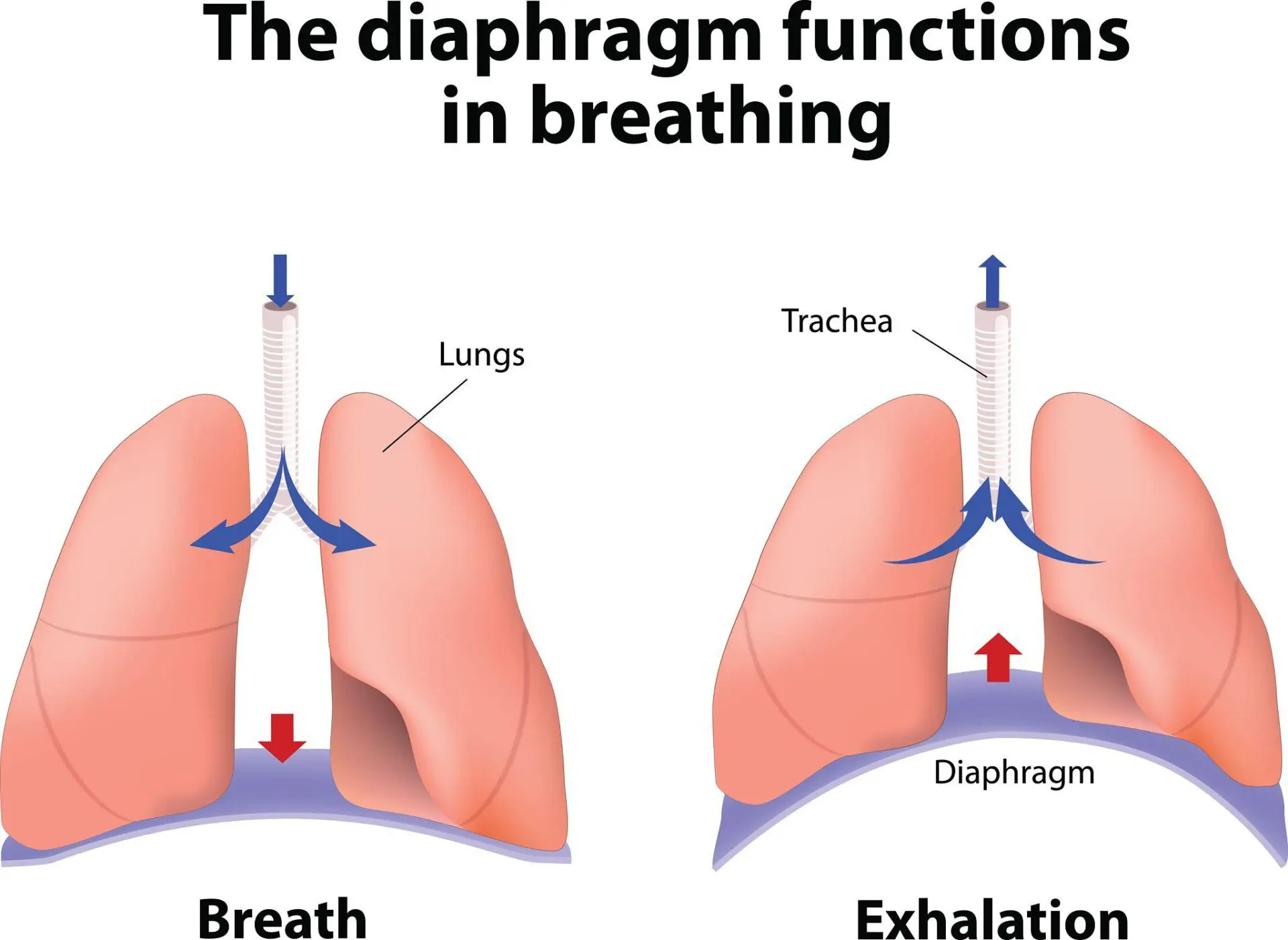
Breathing is also called the “basis” of singing, but many descriptions of it are too general. Singing well does not involve taking the biggest possible breath. Rather, it involves a controlled and steady flow of air.
Unstable airflow or too much airflow will make the voice unstable. Too much pressure will make the voice hard.
- Stable Airflow Exercise
- One helpful calibration exercise is as follows:
- Inhale quietly through the nose
- Exhale with a steady “ssss” sound
The objective is not to produce sound but to produce stability. This will help the body control the energy of the breath instead of blowing air out instinctively.
The Role of Tension in Vocal Clarity
Muscular tension is one of the most underappreciated factors that can affect the voice. The voice is very sensitive to the activity of surrounding structures, especially the jaw, tongue, neck, and shoulders.
Even slight muscular tension will affect resonance and the efficiency of vibration. Many singers try to compensate for problems with their tone by adjusting the pitch or volume without regard to physical limitations.

Identifying Hidden Tension
Signs of excess tension may include:
- Jaw stiffness
- Tongue rigidity
- Neck tightness
- Raised shoulders
- Sensation of throat effort
Releasing tension often improves tone more effectively than increasing effort.
Resonance: The Source of Smoothness and Softness
Muscular tension is one of the most underappreciated factors that can affect the voice. The voice is very sensitive to the activity of surrounding structures, especially the jaw, tongue, neck, and shoulders.
Even slight muscular tension will affect resonance and the efficiency of vibration. Many singers try to compensate for problems with their tone by adjusting the pitch or volume without regard to physical limitations.
Encouraging Balanced Resonance
Gentle semi-occluded exercises help optimize resonance behavior:
- Humming on “mmm”
- Lip trills
- NG sounds (as in “sing”)
These reduce unnecessary pressure while promoting efficient vibration.
Soft Singing Without Breathiness
Soft singing is often mistakenly thought of as a way of reducing vocal participation. This is when a light, airy sound is produced instead of a smooth, supported one.
Soft singing maintains stability and resonance, but with less pressure. The sound is still connected, not whispered.
A good way to look at soft singing is to think of it as a controlled action, not a quiet one.
Vocal Onset and Its Effect on Tone Quality
The manner in which a note begins is important to tonal quality. Harsh attacks involve pressure spikes that cause harshness.
A gentle attack allows airflow and vibration to coordinate, producing a relaxed and clear tone.
Practicing Gentle Onset
Exercises such as “mmm-ah” promote balanced coordination by facilitating the onset of phonation.
Hydration and Vocal Function
Hydration helps with vocal ease and tissue flexibility, but it doesn’t affect tone quality. Well-hydrated vocal folds are easier to vibrate and more tolerant of activity.
Consistent hydration patterns help with consistency and preventing fatigue.

Common Mistakes That Disrupt Vocal Softness
Singers often inadvertently support behaviors that cloud clarity:
- Oversinging
- Chasing volume levels
- Pushing high notes
- Mistaking softness for breathiness
- Igoring tension cues
Progress involves minimizing disruptions rather than maximizing effort.
A Practical Coordination Routine
Consistency matters more than duration. Short, focused sessions help retrain coordination patterns.
- A simple daily structure:
- Gentle relaxation reset
- Airflow stabilization
- Resonnce activation
- Controlled singing
This approach promotes efficiency rather than strain.
Realistic Expectations for Vocal Development
Effective vocal progress is a gradual process. Sudden extreme progress usually involves compensatory tension.

Effective signs of progress include:
- Less effort
- More stability
- Better tonal quality
- Smaller transitions
Waiting helps.
Conclusion: How to Make Voice Clear and Soft for Singing
A smooth and pleasant singing voice with good tone quality is the result of functional harmony rather than force and expediency. When airflow becomes consistent, tension decreases, and resonance improves, the voice will develop characteristics that are considered smooth and pleasing.
Rather than looking for quick solutions, singers can benefit from improving coordination and reducing habits that cause strain.
Actionable Takeaways:
- Emphasize airflow consistency
- Minimize unnecessary tension
- Cultivate resonance awareness
- Avoid pushing or over-singing
- Practice regularly
Vocal clarity is seldom imposed but rather discovered when the obstacles are cleared away.
Frequently Asked Questions About Vocal Clarity & Softness
Why is my voice so harsh when I attempt to sing with clarity?
Harshness is usually due to too much pressure or tension rather than a lack of clarity. Pressing or tensing the vocal mechanism will cause strained vibration of the vocal folds. Relaxing the pressure and stabilizing breathing will likely reduce harshness while retaining clarity.
How can I sing with softness without breathiness?
Soft singing involves controlled airflow, not air escape. Breathiness is caused by too much air escaping during phonation. Stabilized breath support and resonance will keep the voice soft but stable and distinct.
Can certain liquids help me sing better?
Nothing can specifically enhance vocal tone. Hydration is useful for comfort and flexibility, but vocal quality is a matter of coordination. Drinking water will keep the voice easy but won’t add clarity or softness
What exercises can be done to produce a smoother singing voice?
The best exercises for a smoother singing voice are those that promote balanced airflow and minimize tension. Humming, lip trills, and the NG sound are excellent exercises that promote efficient vibration and minimize strain.
How long does it take to produce a clear and soft voice?
Improving one’s voice takes time because it involves neuromuscular coordination. Regular practice with minimal strain usually results in improvements in a few weeks, but deeper levels of refinement take months.